
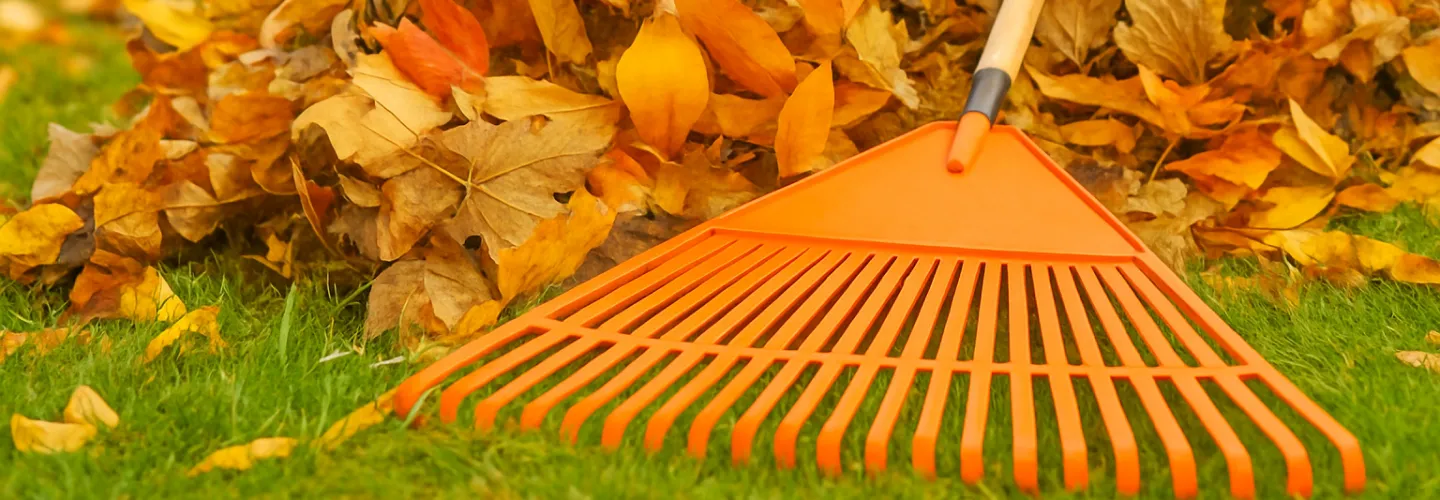
Montgomery Pruning Services
Choose our professional pruning services to enhance your landscape’s beauty, promote healthy growth, and ensure the safety of your property with skilled, reliable care.
Get a Free QuoteOur Montgomery Landscaping & Yard Care Services
When to Schedule Pruning in Montgomery, Ohio – Seasonal Guide
In Montgomery, Ohio, timing your pruning services is essential for maintaining healthy, vibrant landscapes. The region’s climate, with its cold winters and humid summers, means that late winter to early spring is generally the best period for most pruning tasks. This timing allows trees and shrubs in neighborhoods like Olde Montgomery and near Swaim Park to recover quickly as new growth begins, while also minimizing the risk of disease transmission. Local frost dates—typically ending in mid-April—should be considered to avoid cold damage to freshly cut branches.
Montgomery’s rolling terrain, variable shade coverage, and clay-rich soils also play a role in determining the optimal pruning schedule. Areas with dense tree canopies, such as those near Montgomery Park, may require more frequent attention to manage shade and airflow. Additionally, local ordinances and municipal guidelines, which can be found on the city’s official website, may influence when and how pruning can be performed.
Local Factors to Consider for Pruning in Montgomery
- Tree density and species diversity in your neighborhood
- Proximity to landmarks like Swaim Park or Montgomery Park
- Typical precipitation patterns and drought risk
- Soil type, especially clay-heavy areas
- Shade coverage and airflow around your property
- Municipal restrictions or seasonal guidelines
Benefits of Pruning in Montgomery

Enhanced Plant Health
Improved Curb Appeal
Increased Sunlight Exposure
Disease Prevention
Professional Expertise
Customized Landscaping Solutions
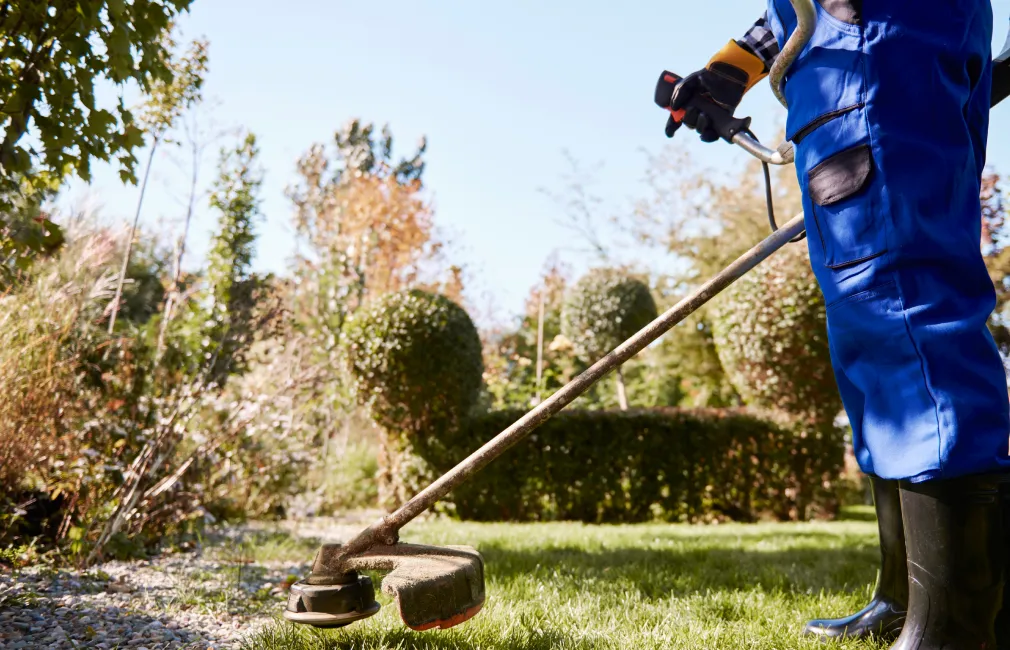
Montgomery Pruning Types

Crown Thinning
-
Crown Raising
-
Crown Reduction
-
Deadwooding
-
Formative Pruning
-
Pollarding
-
Vista Pruning
Our Pruning Process
Site Evaluation
Plant Selection
Strategic Cutting
Debris Removal
Why Choose Montgomery Landscape Services

-
Montgomery Homeowners Trust Us
-
Expert Lawn Maintenance
-
Reliable Scheduling
-
Competitive Pricing
-
Professional Team
-
Satisfaction Guarantee
-
Personalized Service
Pruning Standards and Permit Requirements in Montgomery’s Urban Canopy
Pruning activities in Montgomery are governed by specific municipal ordinances to ensure the health of the city’s urban forest and compliance with local regulations. All pruning of street trees and trees on public property requires adherence to the city’s standards, including the use of clean, sharp tools and the avoidance of topping or excessive crown reduction. For trees over 6 inches in diameter at breast height (DBH) located within 50 feet of public rights-of-way or city parks, a permit is required. The application fee is $50, with a review period of up to 10 business days. Pruning work must be conducted during permitted hours:
- Monday-Friday: 7:00 AM - 7:00 PM
- Saturday: 8:00 AM - 6:00 PM
- Sunday and holidays: Prohibited
Permit applications and guidance are managed by the city’s community development office.
City of Montgomery Community Development
10101 Montgomery Road, Montgomery, OH 45242
Phone: (513) 891-2424
Official Website: City of Montgomery Community Development
Soil Series and Site Considerations for Pruning in Montgomery’s Landscapes
Montgomery’s predominant soils, including the Miamian silt loam and Cincinnati silt loam, are moderately well-drained with a pH typically ranging from 6.0 to 6.8. These soils can become compacted in developed neighborhoods, affecting root health and the response of trees and shrubs to pruning. Before major pruning, it is advisable to conduct a soil test through OSU Extension to determine nutrient status and compaction levels. For optimal wound closure and regrowth, pruning cuts should be made just outside the branch collar, and heavy pruning should be avoided during periods of saturated soil to prevent root stress. Incorporate the following best practices:
- Avoid pruning during or immediately after heavy rainfall
- Use sanitized, sharp tools to prevent disease transmission
- Schedule soil aeration if compaction is detected (bulk density >1.6 g/cm³)
For detailed soil mapping, consult the USDA Web Soil Survey.
Seasonal Timing and Weather Guidance for Pruning in Montgomery (USDA Zone 6a)
Montgomery is located in USDA Hardiness Zone 6a, with average annual minimum temperatures of -10°F to -5°F. The optimal window for most pruning activities is late winter to early spring (February 15 – April 1), before bud break and sap flow increase. Summer pruning is discouraged except for removal of hazardous limbs, as high temperatures and drought stress can impede recovery. Monitor local weather forecasts through the National Weather Service Cincinnati Office to avoid scheduling work during freeze-thaw cycles or severe storms. Key timing recommendations include:
- Major structural pruning: February 15 – April 1
- Light maintenance pruning: June (after spring flush)
- Avoid pruning oaks April-July to reduce oak wilt risk
- Remove storm-damaged limbs promptly, regardless of season
Environmental Compliance: Stormwater and Wetland Protections in Montgomery
Pruning debris management in Montgomery must comply with the city’s MS4 stormwater permit and state environmental regulations under the Ohio Environmental Protection Act. It is prohibited to dispose of leaves, branches, or wood chips in storm drains or within 25 feet of wetlands and streams. Weekly yard waste collection is available every Thursday from April through November; materials must be placed in biodegradable bags or reusable bins (32-gallon max). Prohibited items include plastic bags and branches over 4 inches in diameter. For properties adjacent to protected areas, maintain a 25-foot no-disturbance buffer when conducting pruning operations. For further guidance, contact:
City of Montgomery Public Works
10101 Montgomery Road, Montgomery, OH 45242
Phone: (513) 891-2424
Official Website: City of Montgomery Public Works
State-level stormwater compliance is overseen by:
Ohio Environmental Protection Agency
50 West Town Street, Suite 700, Columbus, OH 43215
Phone: (614) 644-3020
Official Website: Ohio Environmental Protection Agency
Safety Protocols and Equipment Standards for Pruning in Montgomery
All pruning work in Montgomery must adhere to ANSI A300 pruning standards and local safety ordinances. Operators are required to use personal protective equipment (PPE) including:
- Eye protection: ANSI Z87.1 safety glasses
- Hearing protection: Earmuffs or plugs for noise above 85 dB
- Footwear: Steel-toed, non-slip boots
- Gloves: Cut-resistant for hand pruning
Maintain a minimum 15-foot clearance from overhead power lines, and use only insulated tools when working near utilities. Commercial-grade chainsaws and pole pruners must be inspected before each use, with blades sharpened every 20-25 hours of operation. When working within 50 feet of public roads, high-visibility vests and traffic cones are mandatory. For large-scale or hazardous pruning, coordination with the city’s public works and fire departments is required.
City of Montgomery Fire Department
10150 Montgomery Road, Montgomery, OH 45242
Phone: (513) 985-1633
Official Website: City of Montgomery Fire Department
What Neighborhoods Do We Serve Throughout Montgomery, OH?
- Montgomery Hills: Characterized by mature tree canopies and sloped lots, requiring careful pruning to manage stormwater runoff and maintain sightlines along winding roads.
- Vintage Club: Features newer development with compacted soils and ornamental plantings; pruning here often addresses young tree structure and HOA landscaping standards.
- Swaim Fields Area: Proximity to Swaim Park and local wetlands necessitates strict adherence to buffer zones and debris containment to protect sensitive habitats.
- Montgomery Quarter: Urban mixed-use district with street trees and limited root zones; pruning must consider pedestrian safety and city right-of-way regulations.
- Hopewell Meadows: Large lots with diverse species and occasional drainage challenges; pruning plans often include hazard mitigation for mature oaks and maples.
- Weller Woods: Dense woodland edges and wildlife corridors require selective pruning to balance habitat preservation with property maintenance.
- Sycamore Creek Estates: Located near watercourses, this area demands compliance with wetland buffer requirements and careful debris management to prevent runoff issues.